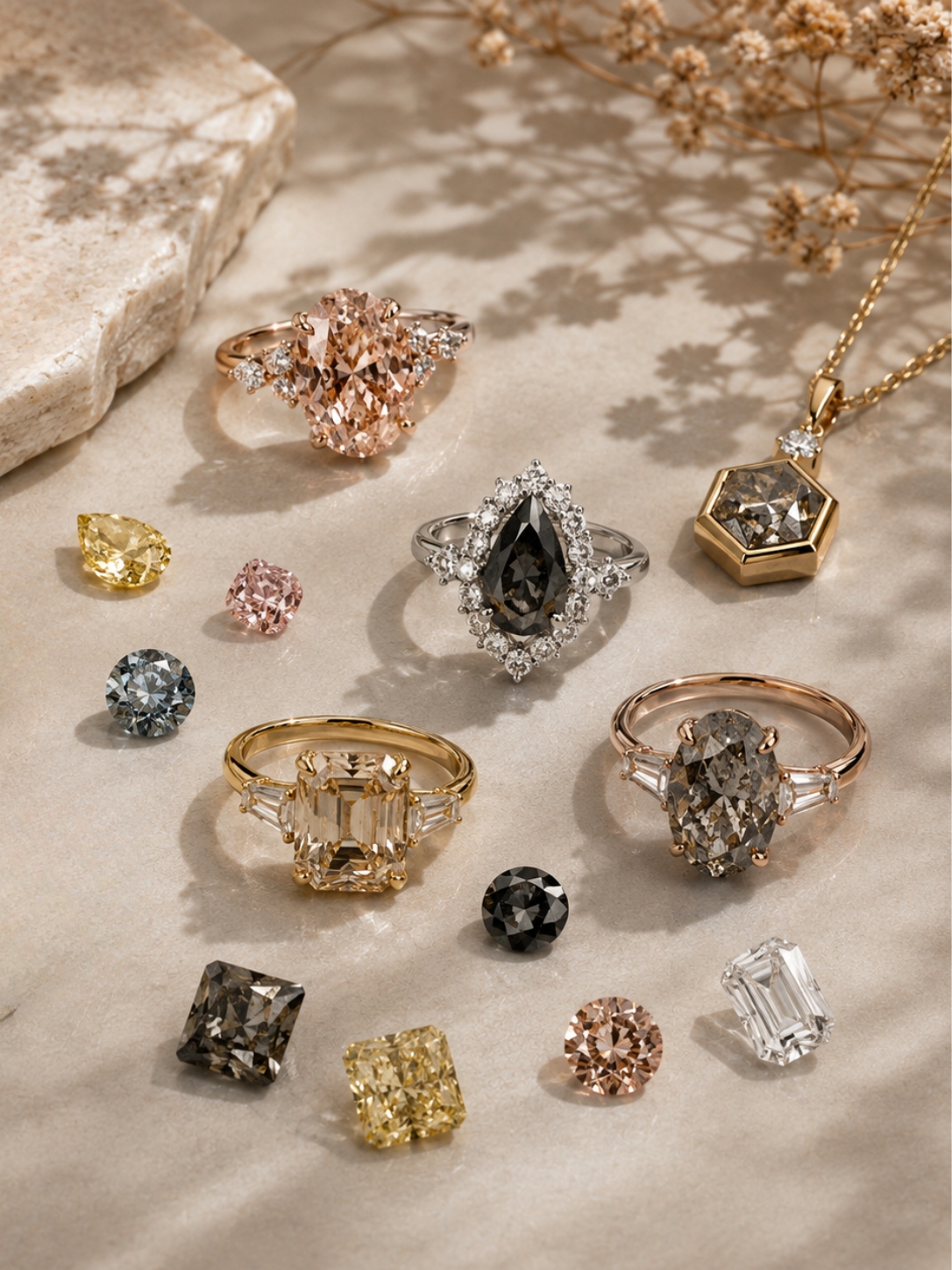

A huggie and a hoop can look almost the same in a photo, and still need completely different stones.
If you are comparing huggie vs hoop earrings for a collection, the style you pick decides how many diamonds you buy, how small they must be and how closely they must match. Studs add a third case, where one stone per ear carries the whole design.
- Fit
- Post, flat on the lobe
- Stones per ear
- Usually one
- Best stones
- Matched pairs of larger stones
- Main buying risk
- Pair does not match
- Fit
- Small, thick loop, close to the lobe
- Stones per ear
- A row of small stones
- Best stones
- Calibrated round melee
- Main buying risk
- Melee sizes uneven
- Fit
- Loop that hangs below the lobe
- Stones per ear
- None, a few, or a full row
- Best stones
- Melee for pave, or metal with accent stones
- Main buying risk
- Stone count and cost per pair
On this page
Quick answer
A stud sits flat on the lobe and shows one stone. A huggie is a small, thick hoop that hugs the lobe, usually set with a row of small stones. A hoop is a larger loop that hangs lower. For buyers, studs need matched pairs, while huggies and hoops need evenly sized melee diamonds.
Huggie vs Hoop Earrings: What Is the Difference?
The difference is size, fit and build. A huggie is a small, thick hoop that sits close to the lobe, usually with a hinged closure. A hoop is a larger loop that hangs lower and is often thinner. Huggies suit a tight row of small stones, while hoops give more length to fill or leave plain.
There is no single legal or trade size line between the two. Many sellers call a hoop a huggie when it is small and snug. Many describe huggies as having a diameter under about 20 mm.
For a buyer, the useful question is not the name. It is how many stones the design needs and how small they are.
What Are Stud Earrings, and Which Diamonds Suit Them?
Stud earrings are a post with a single stone or motif that sits flat on the lobe. They show the stone most clearly, so the pair must match in size, shape, colour and pattern. That makes studs the style where stone selection matters most per piece, and where a poor match is hardest to hide.
Studs are the simplest style to buy for, because the design needs only two stones plus a spare. They also suit the stones that are hard to match in other ways.
- Salt-and-pepper diamonds: each stone has its own pattern of inclusions, so a pair needs choosing by eye, not only by size. See our natural salt-and-pepper diamonds.
- Black diamonds: a clean, solid look that suits bezel-set studs. See our black diamonds.
- Rose-cut diamonds: a flat back and domed top that sit well in bezel settings. See our rose-cut diamonds.
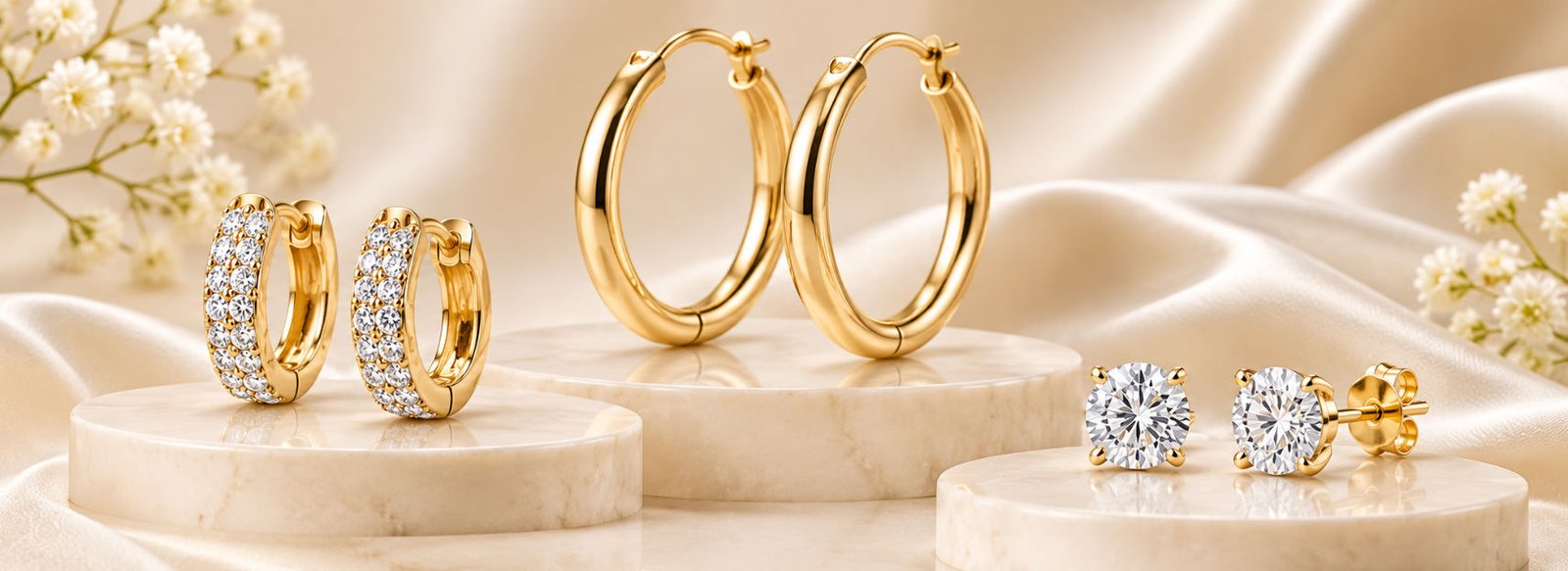
A matched pair starts with two stones that look like one.
What Are Huggie Earrings, and Why Do They Need Calibrated Melee?
Huggie earrings are small, thick hoops that hug the lobe. The thick body allows channel, bezel or pave setting, so a row of small diamonds runs along the front. This is the style where calibrated melee matters most, because uneven sizes show as gaps or crooked rows.
Melee means small diamonds, generally under about 0.20 carat each. Calibrated means each stone is sorted to a tight size range, so it fits the seat cut for it.
If the melee in an order varies too much, the setter has to force stones into seats that do not fit. That slows production and leaves visible gaps. When you request stones for huggies, state the shape, the size range in millimetres and the tolerance you accept. Browse our round melee diamonds for calibrated small stones.
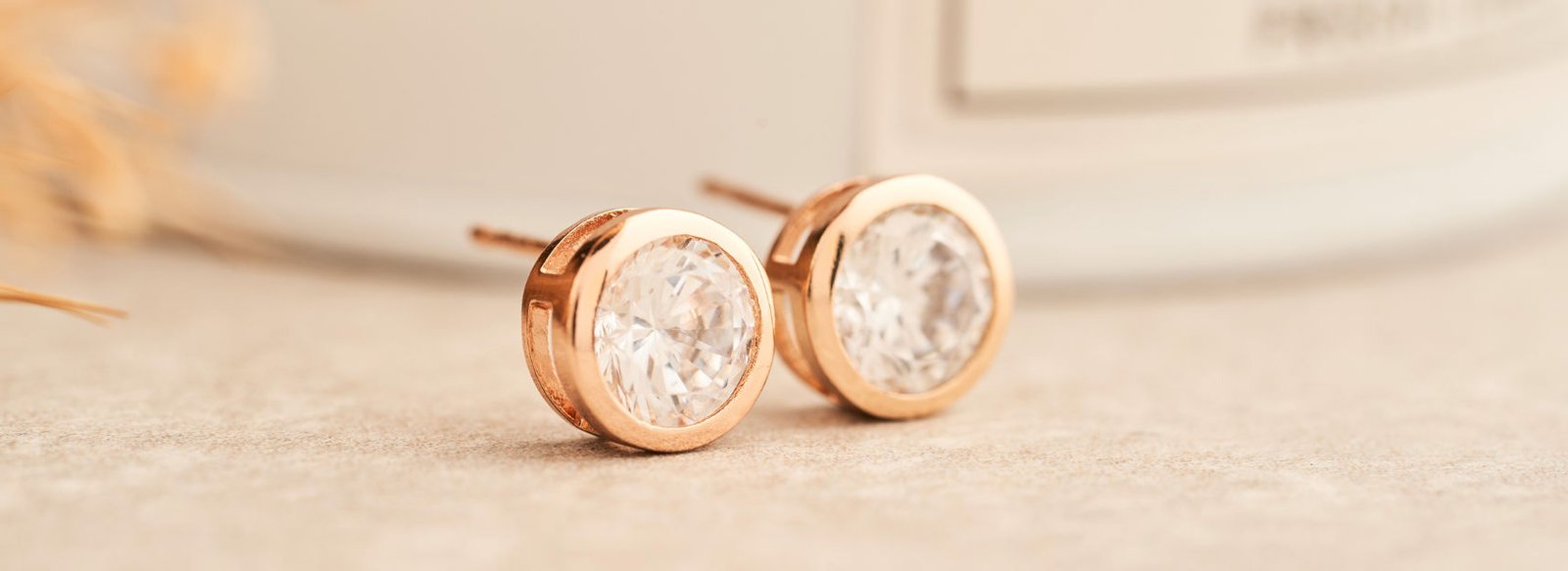
Huggies need calibrated melee in an even row.
What Are Hoop Earrings, and How Do Stone Counts Change?
Hoop earrings are loops that pass through the piercing and hang below the lobe. Sizes run from small to very large. They can be plain metal, fully set with diamonds, or set on part of the loop, so stone counts vary far more than with studs or huggies.
A hoop set on the whole front can need many times the stones of a huggie. Stone count rises with the length of the loop, and so does cost per pair. A hoop set on only the lower half, or with a few accent stones, uses far fewer.
This is why a hoop order needs a design sheet before a stone order. The same hoop style can be a small order or a large one depending on how much of the loop is set.
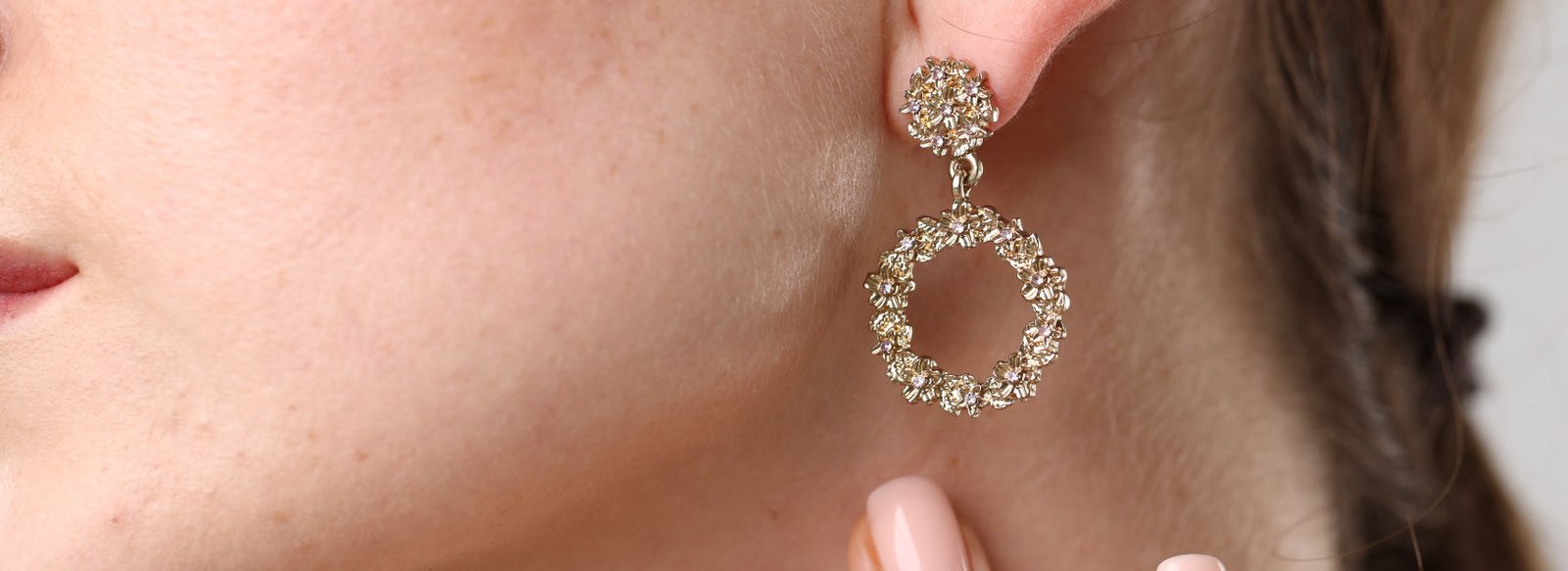
A fully set hoop can need many more stones than a huggie.
Huggie vs Hoop vs Stud Earrings: Side-by-Side Table
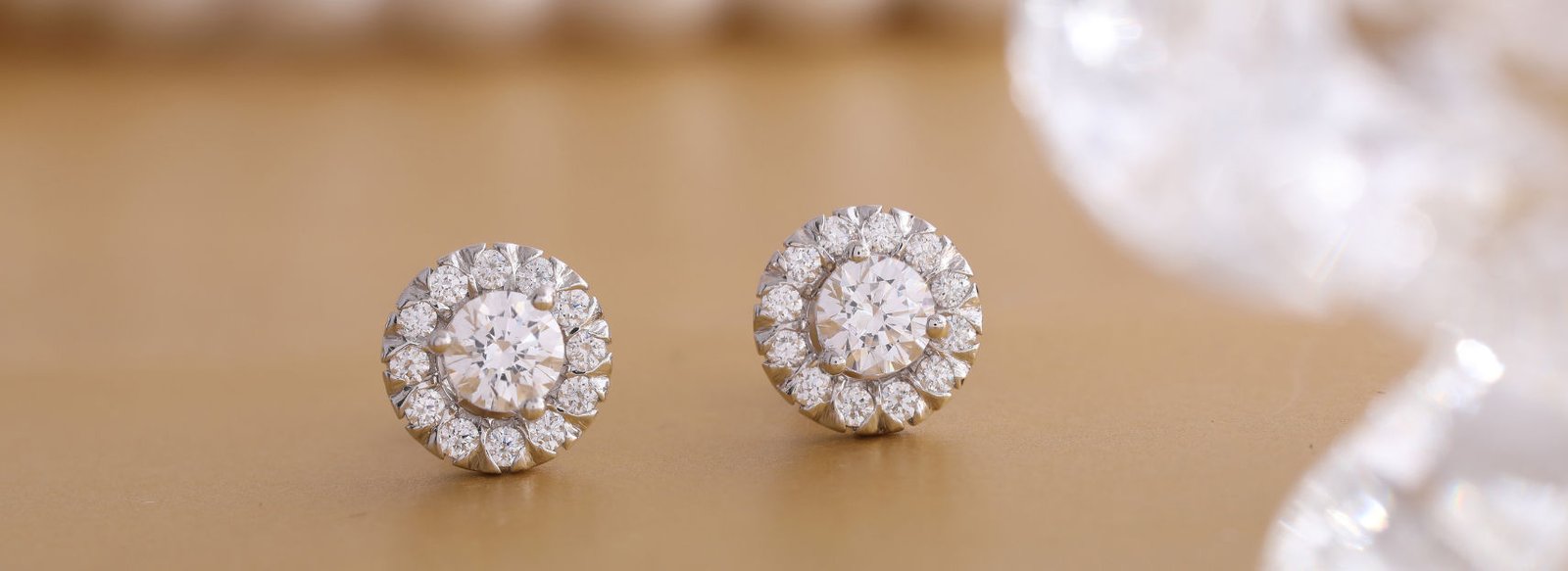
Same family, different size and stone count.
| Feature | Stud | Huggie | Hoop |
|---|---|---|---|
| Fit | Post, flat on the lobe | Small, thick loop, close to the lobe | Loop that hangs below the lobe |
| Typical size | Set by the stone size | Small | Small to large |
| Stones per ear | Usually one | A row of small stones | None, a few, or a full row |
| Best stones | Matched pairs of larger stones | Calibrated round melee | Melee for pave, or metal with accent stones |
| Closure | Post and back | Hinged or snap | Hinge, post or clasp, varies by design |
| Main buying risk | Pair does not match | Melee sizes uneven | Stone count and cost per pair |
| Best first step | Choose pairs by eye | Order calibrated stones | Fix the design sheet first |
The highlighted column follows the style you pick in the explorer at the top of the page.
Which Natural Diamonds Suit Studs, Huggies and Hoops?
Matched pairs of larger stones suit studs. Calibrated round melee suits pave huggies and hoops. Salt-and-pepper, black and fancy colour stones suit all three styles, but each needs careful pair matching. Rose-cut stones suit bezel-set studs and drops, where a flat back sits well.
GIA-certified diamonds
Studs where a grading report matters
A report applies to the single stone it names.
How to match a pair
A good pair is two stones that look like one. Tick each check as you go. The bar fills as you finish.
0 of 5 checks done
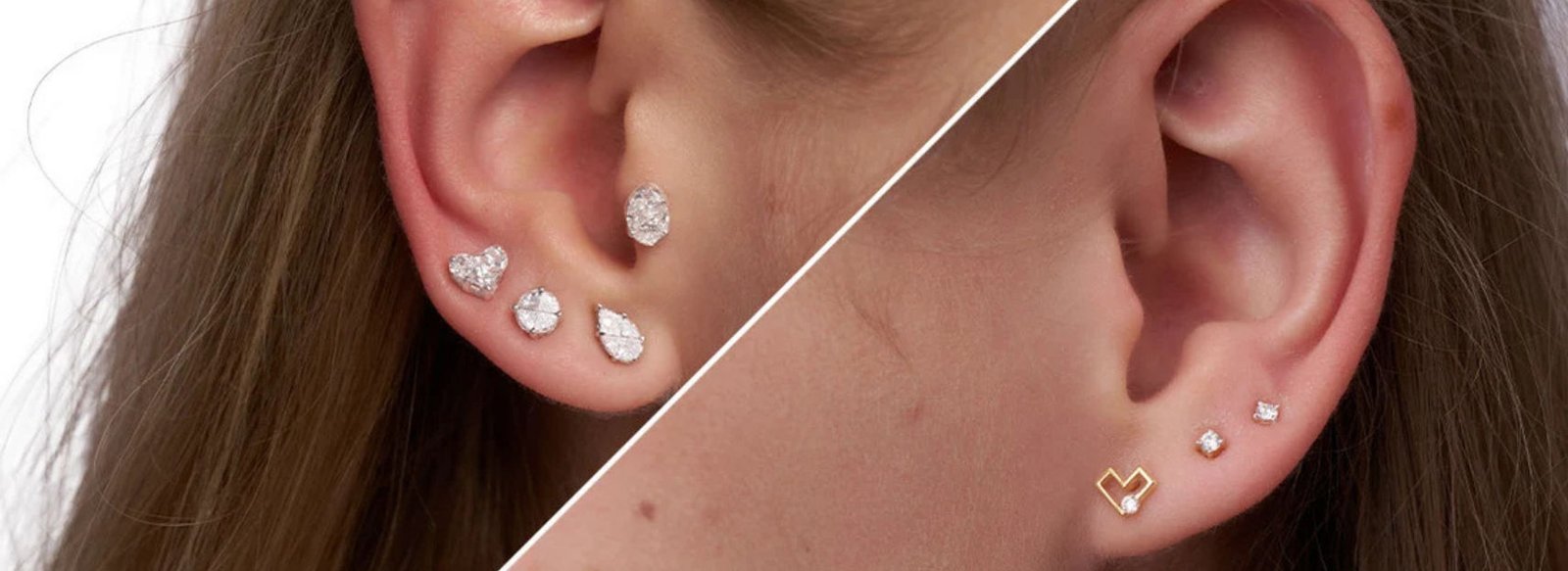
How Many Diamonds Do You Need Per Pair of Earrings?
Stone count depends on the design, not the style alone. A stud usually uses one stone per ear. A pave huggie or hoop uses a row of small stones per ear, and the count rises with length and stone size. Count per pair, multiply by order quantity, then add an allowance for loss and rejects.
Stones to buy = (stones per ear x 2) x number of pairs, plus your allowance for loss and rejects.
The starting values are a hypothetical example to show the arithmetic. They are not a Terra figure. Replace them with your own design sheet.
What We See in Buyer Orders
Since 2013, Terra Company HK has supplied natural loose diamonds and custom fine jewellery to jewellery brands, wholesalers and retailers. Our buyers come from different markets, and the same questions come up in most earring enquiries.
Which Earring Style Should a Jewellery Brand Stock First?
Start with the style your customers already buy, then match the stones to it. Studs are the lowest-risk start for a brand new to diamonds, since they need few stones. Huggies suit a stackable, everyday line. Hoops suit a bolder, larger-scale range.
A practical order of work for a small collection:
- Pick one stud design and one stone type, such as a salt-and-pepper pair.
- Add a pave huggie once you have a steady supply of calibrated melee.
- Add hoops last, when you have the design sheets and stone counts fixed.
If you want help with the order, talk to our team. You can also read our guide to loose diamond vs ring for the case for buying loose stones.
Documents and Specifications to Ask For Before You Order
Ask for a stone list that states shape, size range, colour and quantity for every line. For GIA-certified stones, ask for the report number that matches each stone. Keep the invoice and packing list with your records. Export and import paperwork differs by country.
Custom Earrings and Bulk Orders From Terra Company HK
Need stones for a stud, huggie or hoop line, or finished earrings made to your own design? Terra Company HK is based in Hong Kong, supplies natural loose diamonds and makes custom fine jewellery, and ships worldwide.
Tell us the style, the stone type, the size range and the quantity, and we will come back with a quote.
Huggie vs Hoop Earrings FAQ
What is the difference between huggie and hoop earrings?
A huggie is a small, thick hoop that sits close to the lobe, while a hoop is a larger loop that hangs lower. Huggies usually carry a row of small stones. Hoops range from plain metal to fully set loops.
Are huggies the same as hoops?
Not exactly. A huggie is a type of hoop, but it is smaller, thicker and snug to the lobe. Many sellers use the words loosely, so always check the diameter and stone count in the product details.
Which is better for diamonds, a huggie or a hoop?
Neither is better. Huggies suit calibrated small stones in a neat row, and hoops suit larger designs with more stones or more metal. Choose by the look your customers want and the stone supply you can match.
Which diamonds suit stud earrings?
Matched pairs of larger stones suit studs best. Salt-and-pepper, black, fancy colour and rose-cut diamonds all work, as long as both stones in a pair match in size, shape and colour or pattern.
How many diamonds does a pair of pave earrings need?
It depends on the design. Count the stones per ear, double it for a pair, then multiply by the number of pairs. Add an allowance for loss and rejects. Ask your supplier to confirm the count against your design sheet.
Can Terra Company HK supply stones or finished earrings in bulk?
Yes. Terra Company HK supplies natural loose diamonds, including melee, and makes custom fine jewellery for jewellery brands, wholesalers and retailers worldwide. Send your style, stone type, size range and quantity to request a quote.
Next step: request a bulk quote with your earring style, stone type, size range and quantity, or message us on WhatsApp.